
Call us 24/7+86 19066591275
Welcome to the official website of Stoker Automation Technology!
WhatsApp:+86 19066591275 Email:abbdcs36@gmail.com

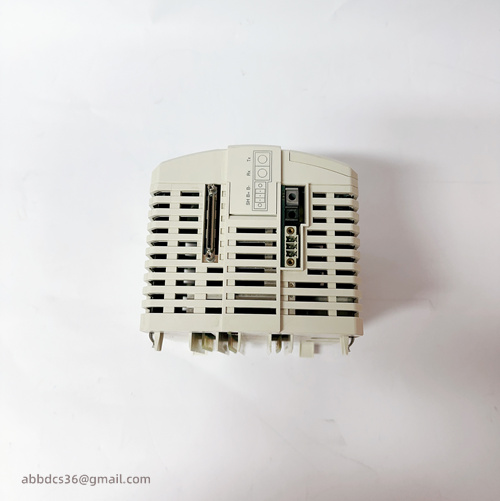
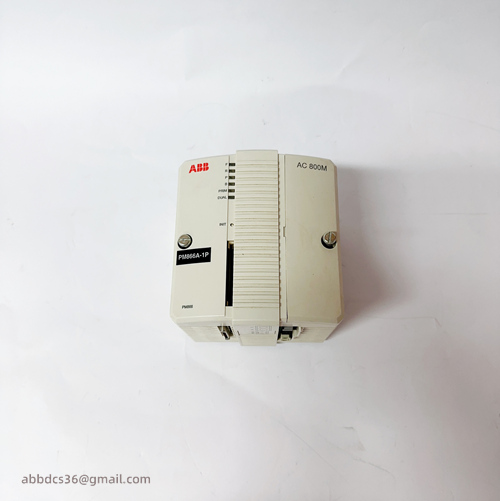
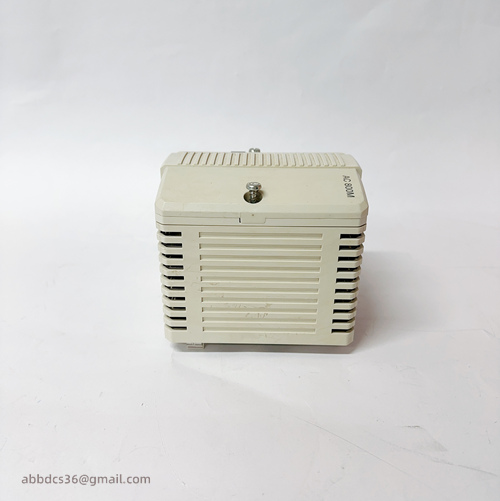
PM866 3BSE050200R1 control unit

Introduction to PM866 3BSE050200R1 Control Unit

PM866 is a high-performance processor module in the ABB AC800M series, used for medium to large industrial automation systems. It is widely used in key industries such as power, metallurgy, and petrochemicals due to its strong stability, high computing power, and good redundancy support.

Main Features

① High speed processing capability
Equipped with a high-speed CPU, suitable for running large amounts of program logic, complex control algorithms, and high-speed I/O refresh tasks.

② Support redundant structure
It can form a CPU redundancy pair with another PM866 to improve the system’s continuous operation capability, suitable for working conditions that are extremely sensitive to downtime.

③ Rich communication interfaces
Usually can be paired with multiple communication modules to achieve:

Ethernet

Industrial buses (such as PROFIBUS, DeviceNet, etc.)

Control Network (ABB owned)

④ Strong compatibility and scalability
Can be combined with various AC800M series I/O modules and communication modules, supporting large-scale system expansion.

Typical application scenarios

Power plant DCS/process control system

Petrochemical process control

Automation of cement and steel smelting

Batch processing and continuous control system for manufacturing industry

A highly reliable system that requires CPU redundancy switching

Summary of Advantages

Stable operation, suitable for continuous production environment

Support large-scale systems and complex logic

Strong redundancy capability

Easy maintenance, mature engineering tools
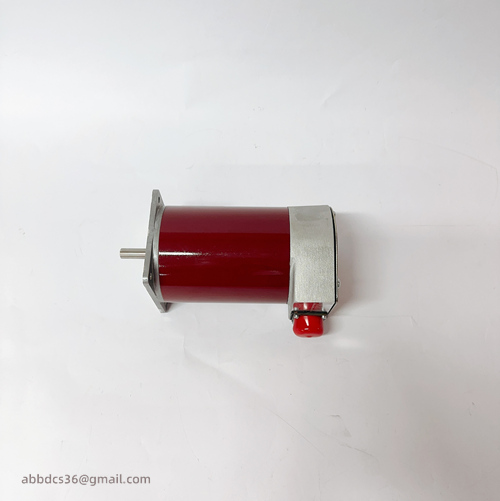
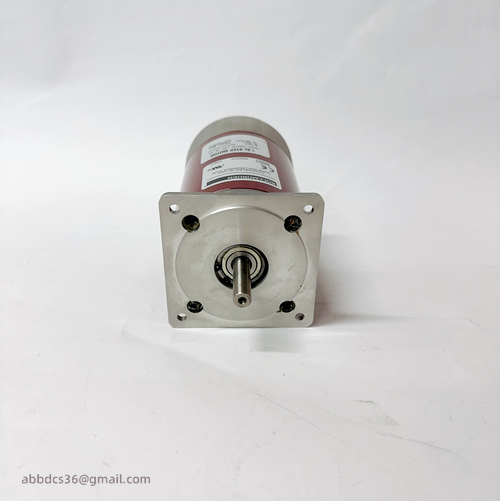
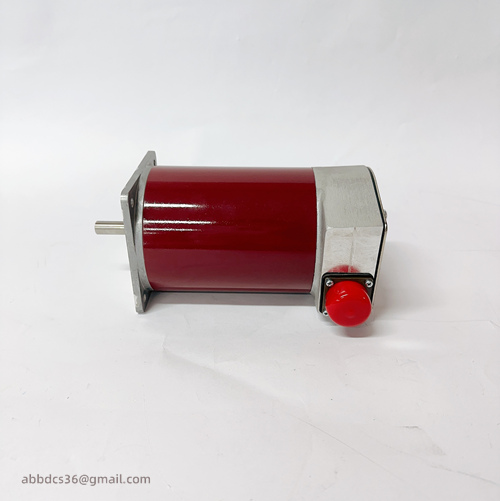
PACIFIC SCIENTIFIC E33NCHA-LNN-NS-00 Stepper Motor

Introduction to PACIFIC SCIENTIFIC E33NCHA-LNN-NS-00 Stepper Motor

E33NCHA-LNN-NS-00 is an E-Series high-performance hybrid stepper motor under Pacific Scientific (now Kollmorgen system), belonging to the industrial grade 2-phase or 4-phase stepper motor series, suitable for precise positioning, motion control, and medium torque output applications.

1、 Main features

high-precision positioning
Stable step angle, suitable for applications with high requirements for position and repeatability accuracy.

Moderate output torque
E-Series typically has good torque retention and low-speed torque characteristics, making it suitable for continuous operation or frequent reciprocating movements.

sturdy structure
Industrial grade body design, capable of long-term operation in environments with significant mechanical vibration and temperature changes.

Low noise, low vibration
Winding optimization and magnetic circuit design make its operation smoother.

Brushless structure, maintenance free
As a stepper motor, there is no issue of commutator wear, making it suitable for long-term use.

2、 Typical specification direction (common parameter range of this series)

The specific parameters are subject to the model data, but E-Series generally has the following characteristics:

Step angle: usually 1.8 °/step

Current level: 2A-6A (depending on specific version)

Maintain torque: generally at a medium torque level

Axial structure: single or double axis, with or without keyway, distinguished by coding

Insulation grade: Class B or higher

Installation specifications: NEMA 23 or NEMA 34 series are more common (E3 series are mostly medium-sized specifications)

3、 Main applications

Industrial Automation Machinery

Surface mount machine, sorting equipment

Pipeline execution mechanism

Experimental instruments and precision devices

Lightweight CNC equipment, small positioning device

Packaging Machinery and Transport Mechanisms

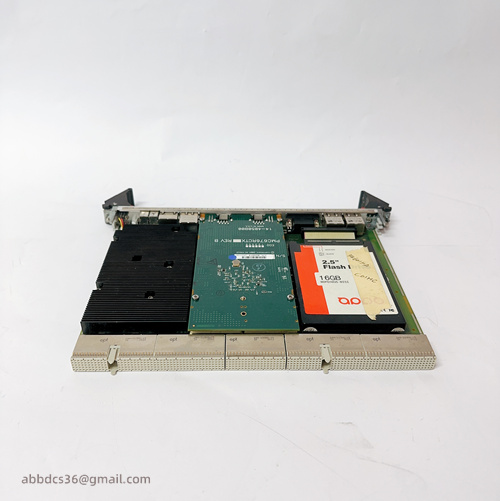
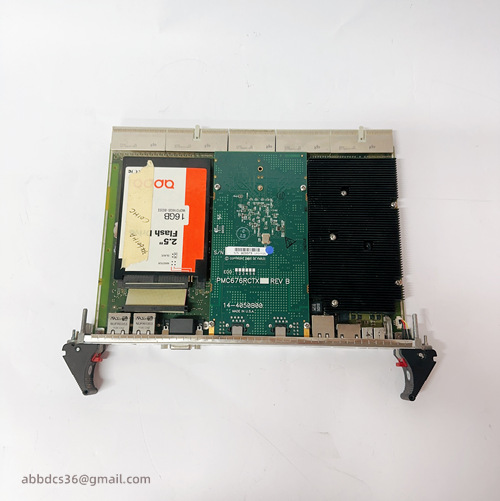
CT11T7F10PN1 PMC676RCTX V2.3 01 16 C1145 CR11 V2.x Control Pulse Card

Introduction to Control Pulse Card (CT11T7F10PN1/PMC676RCTX/CR11 Series)

This type of pulse card is mainly used in industrial control systems to generate, distribute, or process control pulse signals. It is commonly found in servo systems, motion control systems, motor drive systems, or process control equipment, and is an important underlying logic and pulse output unit of control systems.

1、 Main functions

Pulse Output

Generate precise pulse sequences, which can be used to drive motors, servo amplifiers, stepper mechanisms, etc.

Pulse shaping and frequency control

Ensure stable pulse waveform, support duty cycle and frequency adjustment, and ensure accurate equipment operation.

Trigger and synchronization control

Used to generate synchronous trigger signals in the system and coordinate the timing actions between multiple modules.

Input signal acquisition

Receive pulse inputs such as switch values, counting signals, and position feedback for logic judgment or closed-loop control.

Logic control processing

Internally equipped with certain logical operation functions, used to execute pulse control strategies or state judgments.

2、 Main characteristics

High speed pulse processing capability
Suitable for timing and motion control of high-precision equipment.

Multi channel pulse interface
Supports multiple pulse inputs and outputs, suitable for multi axis and multi unit system control.

Industrial grade stability
Adapt to industrial site environments with long-term operation and strong interference.

Version differentiation (such as V2.3, V2.x)
Different versions usually have optimizations in processing speed, compatibility, or timing logic.

Match with the main control communication interface
It can communicate with the upper controller (PLC/industrial computer/CNC system) through a dedicated bus or expansion slot.

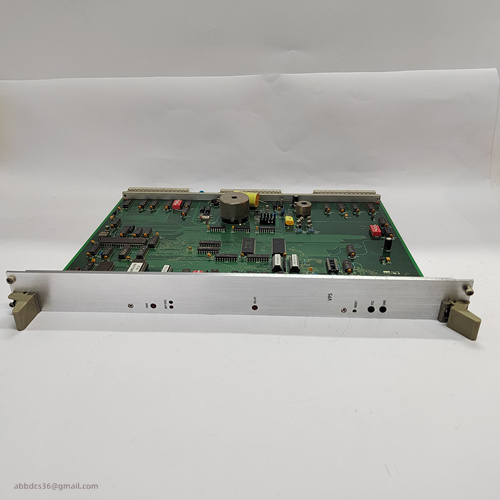
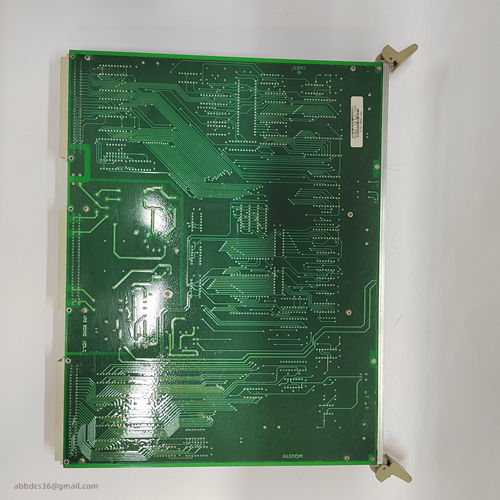
ALSTOM 12004-102-01 Controller Card

ALSTOM 12004-102-01 Controller Card

ALSTOM 12004-102-01 VPS BOARD is an industrial controller card mainly used for control and monitoring of power systems and automation equipment. Here is a detailed introduction:

Basic Information

Model: 12004-102-01

Type: VPS BOARD Controller Card

Purpose: Power system and industrial automation control, used for processing signals, executing control logic, and communication management

Technical parameters and characteristics

Features

Used for power protection and monitoring systems, performing real-time signal processing

Supports multiple input/output interfaces, can connect sensors, actuators, or other control modules

Provide high-speed data processing capability to adapt to rapid response control requirements

Interface and Communication

Built in digital and analog input/output channels

Can exchange data with upper computer, PLC or other controller modules

Support standard industrial communication protocols to achieve synchronous control between modules

Reliability and industrial adaptability

Industrial grade design, capable of stable operation in high temperature, vibration, and electromagnetic interference environments

Equipped with fault detection and self diagnosis functions to ensure system reliability

scalability

Can be combined with other ALSTOM control modules to build complex control systems

Support multi board cascading to achieve multi-channel and high-density control requirements

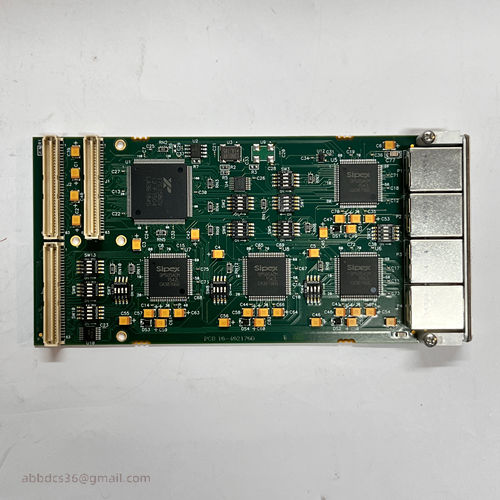
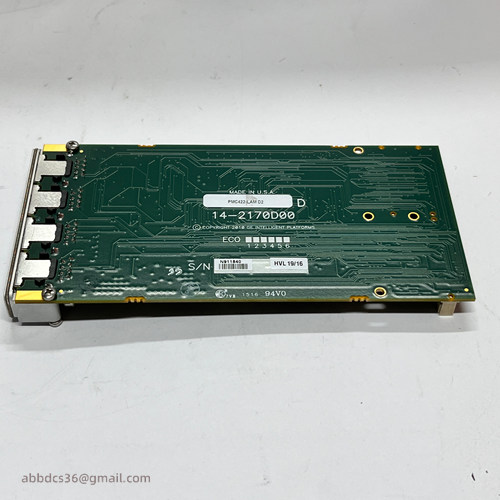
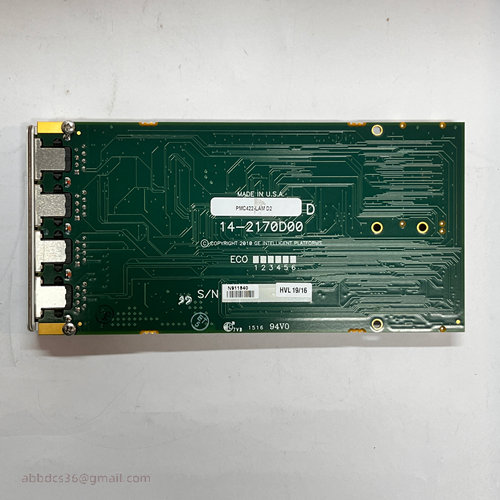
GE PMC422-LAM D2 Controller Module

GE PMC422-LAM D2 Controller Module

GE PMC422-LAM D2 is an industrial grade serial port control module (PMC card),
Mainly used for managing multiple serial interfaces in embedded or automated systems. Here is a detailed introduction:

Basic Information

Model: PMC422-LAM D2

Type: PMC (PCI Mezzanine Card) Serial Control Module

Purpose: Serial port management for industrial automation systems, multi device communication

Technical Specifications

Number of serial ports: 8 independent channels

Supporting protocols: RS-232, RS-422, RS-485

UART type: 16C550 compatible, with 64 byte FIFO per channel

Baud rate: programmable, typically ranging from 150 bit/s to 6.2 Mb/s

Bus interface: 32-bit PCI, bus clock up to 33MHz

Configuration method: DIP switch or software programming

Additional features: 16 bit timer/counter+8 universal inputs

I/O connection: front panel RJ45 or backplane interface

Power consumption: approximately 3 watts

Working temperature: 0 ° C to+60 ° C

Storage temperature: -40 ° C to+85 ° C

Humidity: 5% -95%, no condensation

Core Features

High density serial port, single module can manage 8 serial devices

Supports multiple industrial serial port protocols with strong compatibility

FIFO cache reduces CPU interrupt burden and improves communication efficiency

Adjustable baud rate, suitable for slow old devices or high-speed communication

Built in timer/counter and universal input, expandable control function

Industrial grade design, adaptable to harsh environments, long-term stable operation

ABB PFCA401SF 3BSE024387R4 Tension Controller

ABB PFCA401SF 3BSE024387R4 Tension Controller

Core functions and features

Precise tension control

Can handle the differences in tension requirements of different materials (paper, plastic film, metal strip, etc.).

Multi mode control

Speed control mode: controls the winding/unwinding speed, used in conjunction with tension adjustment.

Torque control mode: directly adjust the motor output torque to achieve softer tension changes.

Multi stage tension control: Different tension targets can be set for different stages to meet complex production processes.

High performance processing capability

ABB’s high-speed control algorithm has fast response and high stability, which can reduce the risk of material fracture or deformation.

Support seamless integration with servo drives, motors, and brakes to achieve precise tension control.

Communication and Integration

Supports industrial standard bus protocols such as PROFIBUS, DeviceNet, EtherNet/IP, etc.

It can communicate in real-time with the upper computer system and HMI panel, facilitating monitoring and data collection.

Real time monitoring and diagnosis

Real time display of tension, speed, torque, and equipment status.

Equipped with fault alarm and self diagnostic functions, it can quickly locate problems and reduce downtime.

Modularity and Scalability

The controller can be combined with input/output modules and analog/digital interfaces for flexible expansion.

Supports multi axis tension synchronization control, suitable for coil, textile, film, and metal strip production lines.

Industrial grade reliability

Designed for high load, continuous operation in industrial environments.

Strong resistance to electromagnetic interference and temperature changes, ensuring long-term stable operation.

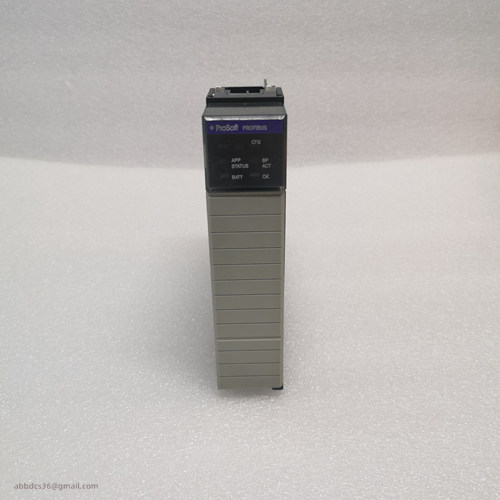
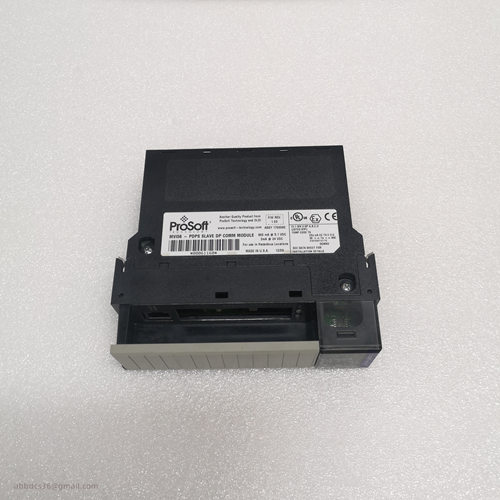
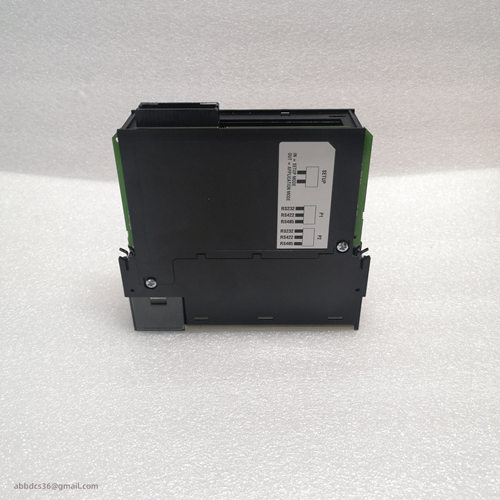
PROSOFT MVI56-PDPS Communication Module

PROSOFT MVI56-PDPS Communication Module

1、 Core positioning
PROSOFT’s PLC system specific communication adaptation module focuses on protocol conversion and data exchange between different industrial equipment and Rockwell ControlLogix PLC, solving the compatibility problem of multi brand equipment networking and adapting to the distributed control requirements of industrial automation scenarios. ​
2、 Core functions
Multi protocol conversion adaptation: Supports mainstream industrial protocols such as DeviceNet, Profinet, Modbus, etc., and can convert signals from sensors, actuators, and other devices into PLC recognizable formats, achieving cross brand device linkage. ​
High speed data transmission: using dedicated data processing chips, the data throughput rate of a single module can reach Mbps level, meeting the low latency requirements of real-time control scenarios (usually latency<10ms). ​
Flexible network expansion: Supports up to 32 device access, can expand network coverage through daisy chain or star topology, and is suitable for centralized control of multiple devices in large production lines. ​
Stable operation guarantee: equipped with power overvoltage/overcurrent protection, communication interruption self recovery function, and built-in LED status indicator light to quickly locate faults; Support hot plugging, no need to shut down the PLC system during maintenance. ​
3、 Key parameters

Category
Key information
Power supply
Compatible with PLC backplane power supply (usually DC 5V/24V), power consumption ≤ 15W
Communication interface
Standard RJ45 Ethernet port, RS485 serial port, and some include DeviceNet interface
Protocol support
Modbus RTU/TCP, Profinet IO, DeviceNet, etc
Adaptation system
Rockwell ControlLogix series PLC
Environmental tolerance
Working temperature from 0 ℃ to 60 ℃, storage temperature from -40 ℃ to 85 ℃, protection level IP20

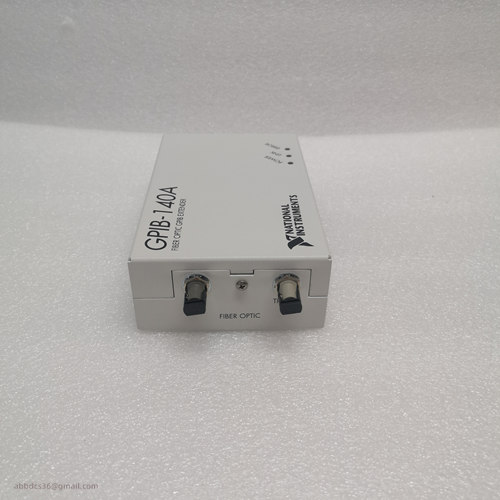
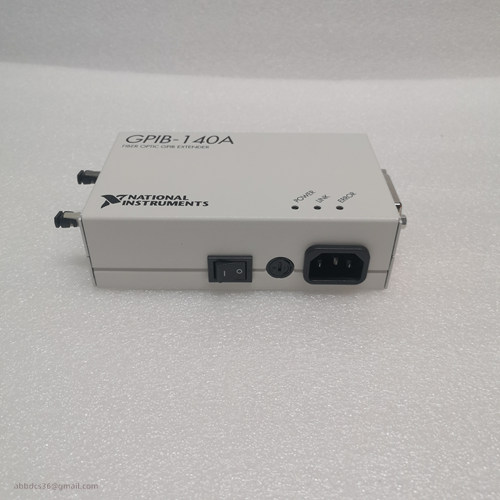
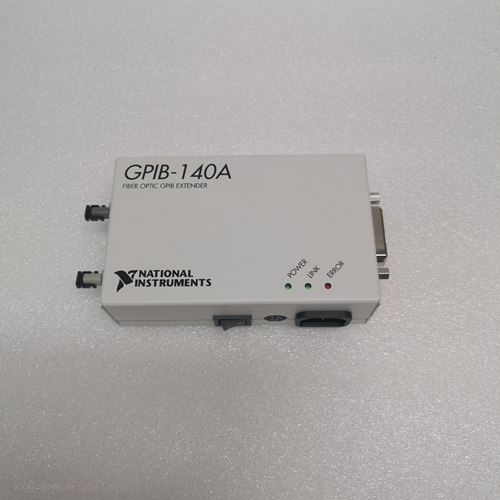
NI GPIB-140A Fiber GPIB Expander

NI GPIB-140A Fiber GPIB Expander

1、 Core positioning
The fiber optic GPIB signal expansion equipment launched by NI (National Instruments of the United States) can connect traditional GPIB interface instruments (such as oscilloscopes and multimeters) over long distances through fiber optics, solving the problems of short transmission distance and weak anti-interference of ordinary cables, and adapting to industrial testing, laboratory measurement and other scenarios. ​
2、 Core functions
Long distance signal extension: With the help of fiber optic transmission, GPIB signals can be transmitted up to 2000 meters (multimode fiber), far exceeding the 15 meter limit of ordinary GPIB cables. ​
Strong anti-interference ability: Fiber optic transmission isolates electromagnetic interference (EMI) and radio frequency interference (RFI), suitable for precise data transmission in industrial strong interference environments. ​
Flexible compatibility and adaptation: Supports IEEE 488.1/488.2 GPIB protocol, can connect various GPIB instruments such as oscilloscopes, signal generators, data acquisition cards, etc. ​
Stable and reliable operation: Equipped with a built-in fault diagnosis indicator light, it can quickly determine the connection status; Support hot plugging, no need to power off during maintenance, ensuring continuity of testing. ​
3、 Key parameters

Category
Key information
Transmission medium
Multimode fiber (62.5/125 μ m)
Transmission distance
Up to 2000 meters (multimode fiber)
Interface type
GPIB (IEEE 488), ST fiber optic interface
Power supply
100-240V AC(50/60Hz)​
Environmental tolerance
Working temperature from 0 ℃ to 55 ℃, storage temperature from -20 ℃ to 70 ℃

GPIB-140A

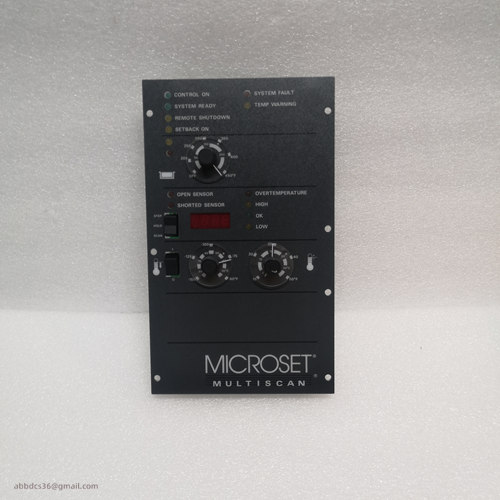
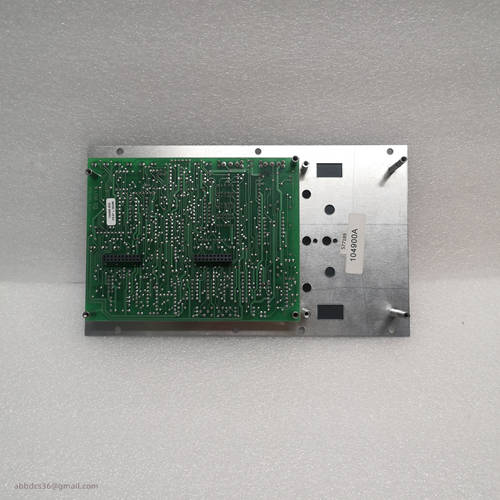
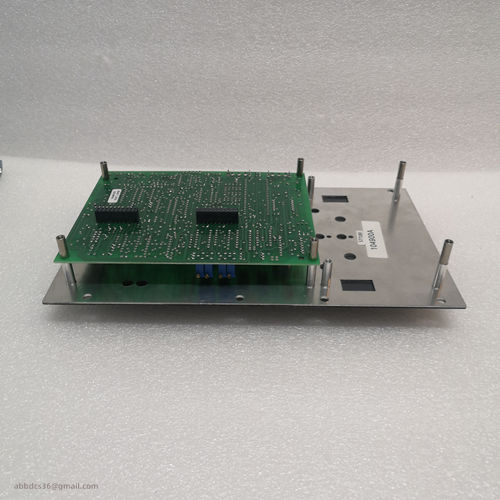
MICROSET 104988-E03 Electromechanical Relay

MICROSET 104988-E03 Electromechanical Relay

1、 Core positioning
The industrial grade multifunctional control module (model 104988-E03) of the MICROSET series combines signal acquisition, equipment control, and protection functions, and is compatible with PLC, sensors, and other systems. It can operate stably in harsh environments and has outstanding cost-effectiveness. ​
2、 Core functions
Multi channel signal processing: Designed with 32 channels, it can be connected to various sensors such as temperature, pressure, and flow rate to collect real-time data and output control signals. ​
Equipment control and protection: With a maximum load of 5A, it can control three-phase AC motors, comes with overload protection, and can be linked to start and stop pumps, compressors, and other equipment. ​
Flexible networking adaptation: Supports RS485, Ethernet and other interfaces, compatible with multiple communication protocols, and can access DCS/PLC system shared parameters. ​
High reliability design: equipped with error checking and correction functions, strong anti-interference ability; IP65 protection, resistant to a wide temperature range of -40 ℃ to 70 ℃, suitable for complex industrial environments. ​
3、 Key parameters

Category
Key information
Power supply
5V or 24V DC input
Performance
40640 cycle resolution, 16 times output interpolation enhancement
Communication
Supports RS485, Ethernet, and serial interfaces
Environmental tolerance
Working -40 ℃ to 70 ℃, Storage -40 ℃ to 85 ℃
Protection level
IP65, Dustproof and Waterproof

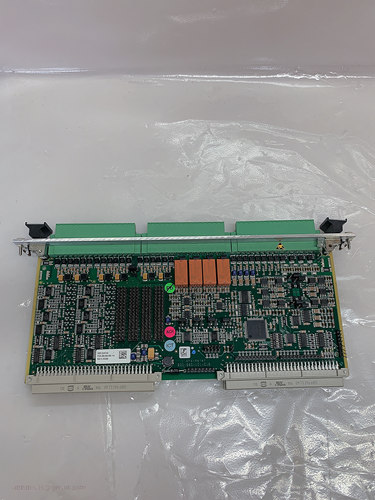
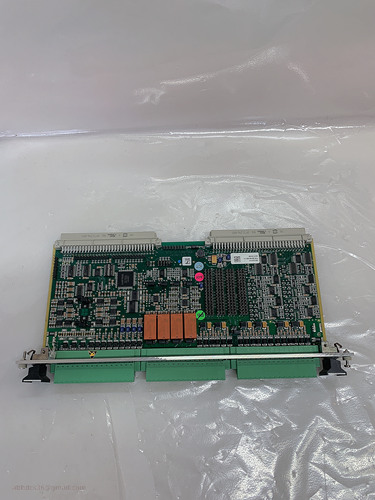
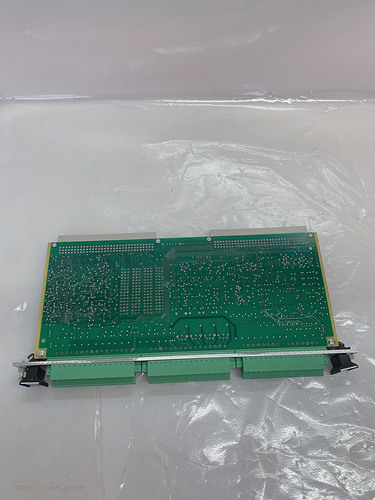
Vibro-meter VM600 200-560-000-114 200-560-101-018 IOC4T Mechanical Card

Vibro-meter VM600 200-560-000-114 200-560-101-018 IOC4T Mechanical Card

Product Overview

Vibro meter IOC4T (Input/Output Card 4 – Transformer) is a key input/output interface module in the VM600 system, often referred to as a “mechanical card”.
It is mainly used for:

Receive signals from front-end sensors (vibration probes, speed sensors, displacement probes, etc.);

Convert and transmit these signals to a measurement card (such as XMV16 module);

Provide alarm and interlock interfaces with external systems (DCS, ESD, or PLC).

The IOC4T module is usually used in conjunction with MPC4 (protection card) to provide dual functions of monitoring and protection for rotating machinery.

Technical Specifications

Model: IOC4T

Part number:

200-560-000-114

200-560-101-018

Functional positioning: signal input/output interface and system protection interlock execution

Input signal type:

Vibration, displacement, velocity, eddy current probes, etc. from front-end sensors

Electrical signal range: mV, mA signal

Output interface:

Alarm relay output

Interlock/trip output signal

Analog signal output (4-20 mA)

Interface capability: Supports hard wired integration with DCS/ESD/PLC systems

Security function:

Paired with MPC4 to form 2oo3 voting protection logic

Provide independent hardware jump links

Working environment:

Temperature range: 0~60 ℃

Humidity range: 5%~95% (without condensation)

Installation method: Plug in to VM600 19 “rack

Search for products

Back to Top
Product has been added to your cart
phone: +86 19066591275
to whats
+8619066591275
email: abbdcs36@gmail.com