

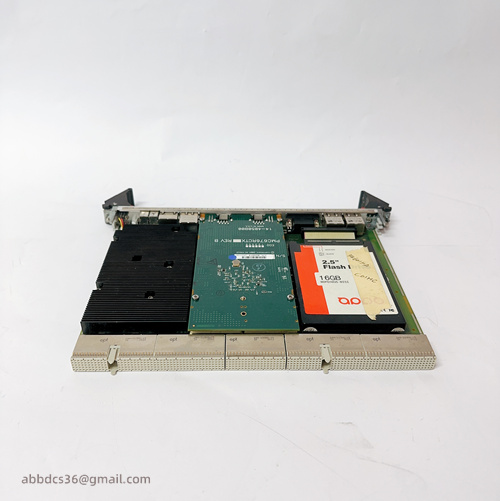
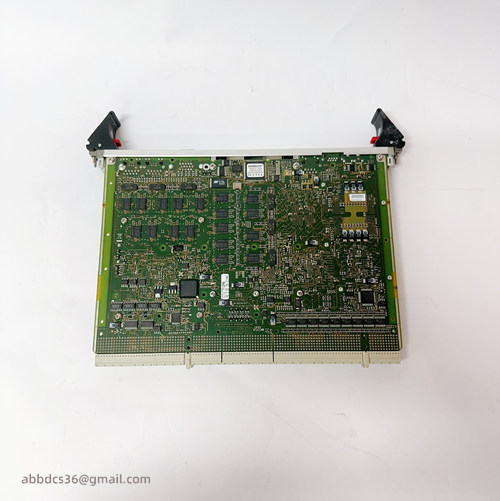
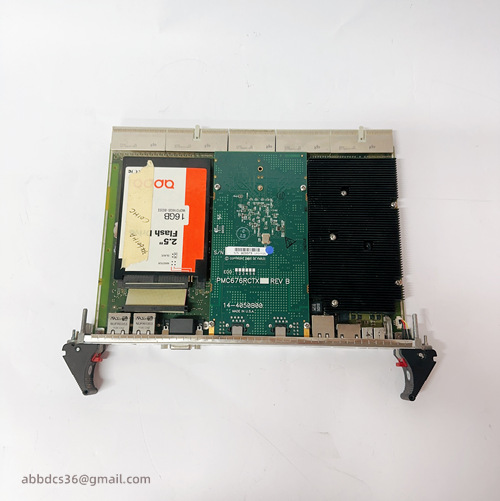
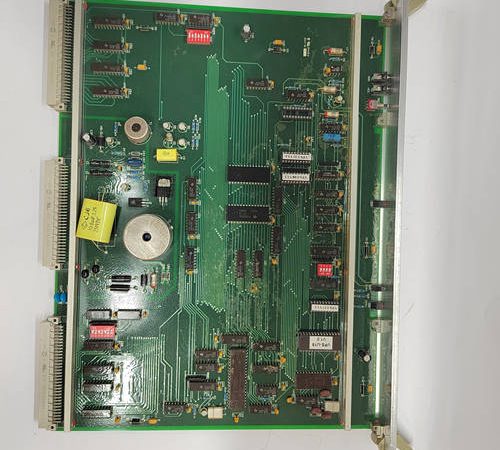
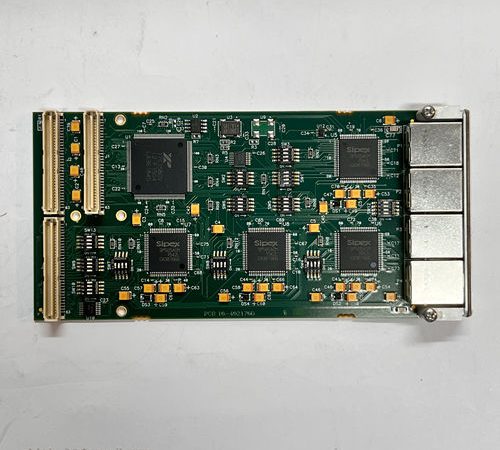
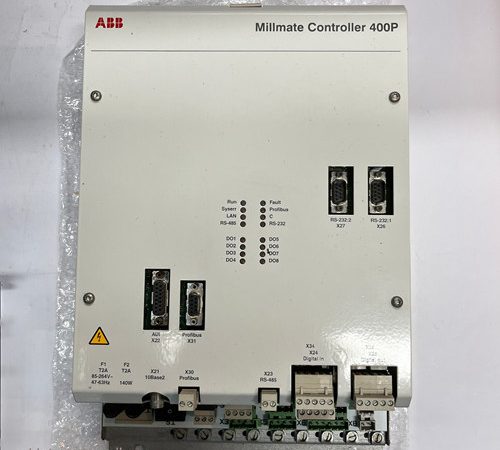
Introduction to Control Pulse Card (CT11T7F10PN1/PMC676RCTX/CR11 Series)
This type of pulse card is mainly used in industrial control systems to generate, distribute, or process control pulse signals. It is commonly found in servo systems, motion control systems, motor drive systems, or process control equipment, and is an important underlying logic and pulse output unit of control systems.
1、 Main functions
Pulse Output
Generate precise pulse sequences, which can be used to drive motors, servo amplifiers, stepper mechanisms, etc.
Pulse shaping and frequency control
Ensure stable pulse waveform, support duty cycle and frequency adjustment, and ensure accurate equipment operation.
Trigger and synchronization control
Used to generate synchronous trigger signals in the system and coordinate the timing actions between multiple modules.
Input signal acquisition
Receive pulse inputs such as switch values, counting signals, and position feedback for logic judgment or closed-loop control.
Logic control processing
Internally equipped with certain logical operation functions, used to execute pulse control strategies or state judgments.
2、 Main characteristics
High speed pulse processing capability
Suitable for timing and motion control of high-precision equipment.
Multi channel pulse interface
Supports multiple pulse inputs and outputs, suitable for multi axis and multi unit system control.
Industrial grade stability
Adapt to industrial site environments with long-term operation and strong interference.
Version differentiation (such as V2.3, V2.x)
Different versions usually have optimizations in processing speed, compatibility, or timing logic.
Match with the main control communication interface
It can communicate with the upper controller (PLC/industrial computer/CNC system) through a dedicated bus or expansion slot.

Leave a comment
Your email address will not be published. Required fields are marked *